

PCB Latest Updates: Pakistan Cricket Board News & T20 Insights
Staying on top of the PCB latest updates can feel like trying to chase a swinging yorker in the death overs. The Pakistan Cricket Board operates in a whirlwind of international fixtures, domestic restructuring, selection committee shake-ups, and, of course, the ever-passionate fan base that dissects every press release. For the average cricket enthusiast, filtering out the noise to find what actually matters for the upcoming series or the next World Cup cycle is tough.
Having followed Pakistan cricket closely for years — watching press conferences, tracking selection leaks, and analyzing squad sheets — I know that the most critical news often hides beneath sensational headlines. This article digs into the latest developments from the PCB, focusing specifically on the men’s national team, the roadmap to the T20 World Cup, and the structural changes affecting grassroots cricket. We’ll look at facts, recent performance data, and what these decisions mean for the team’s immediate future. Whether you are checking your fantasy league or just want a clear picture of the team direction, we’ve got the essentials covered without the unnecessary drama.
Before diving into the deep end, let’s set the stage. The PCB operates in a cyclical rhythm: a bilateral series, a major tournament, a review, and a rebuild. The most recent cycle has seen the board navigate a tight schedule between white-ball supremacy and the traditional red-ball format. The core focus remains on the T20 setup, aiming for consistency after a mixed run in recent global events. But the board’s decisions extend beyond just the eleven players on the field. Let’s break down the key areas that define the current state of Pakistan cricket.
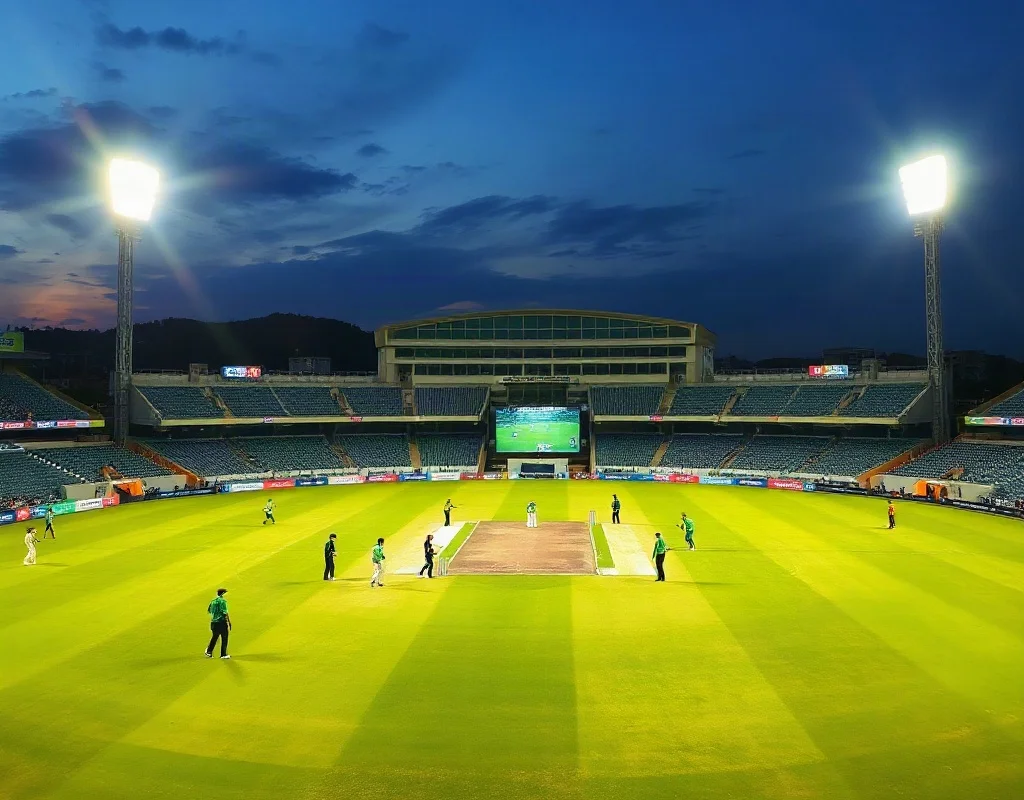
Pakistan team practice session before an upcoming match.
Pakistan Cricket News Today: Team Performance and Squad Updates
The heartbeat of any cricket board is the national team’s performance, and the current news cycle is buzzing with discussions about the squad composition. The selectors have leaned toward a blend of youth and experience, looking to build a core group capable of handling the pressure of major tournaments. Keeping up with these changes is essential if you want to discuss the team’s chances with any authority.
In recent weeks, the headline surrounding Pakistan cricket news today involves the rotation of senior bowlers in the ODI (One Day International) format, giving way to pace prospects who have been impressive in the domestic circuit. For instance, the emergence of a couple of express-pace talents has prompted the management to rest their key spearhead for minor bilateral series to manage his workload. This is a strategic shift from the past, where the team often ran its top bowlers into the ground leading up to major events.
On the batting front, the focus has been solidifying the middle order. The team management has shown patience with a young left-handed batter who had a shaky start but has shown glimpses of brilliance in pressure situations. Data from the last five T20 internationals shows an improved strike rate in the middle overs (7-15) compared to the previous year, an area the coaches have specifically highlighted. This patience with data-backed selection indicates the board is moving beyond just flashy performances.
However, not all is smooth. The wicket-keeping slot has been a point of contention, with the selectors alternating between a more conventional keeper and an aggressive batter who keeps. The lack of a cemented option here creates a selection headache that is likely to dominate the PCB latest updates until the World Cup squad announcement. The management is prioritizing flexibility, but it comes at the cost of stability, which is often crucial in high-stakes knockout games.

Match day essentials: ball and bat on the pitch.
PCB T20 World Cup 2024: Qualification Scenarios and Road Ahead
The primary target on the board’s dartboard is undoubtedly the T20 World Cup. With the tournament approaching, the PCB T20 World Cup 2024 campaign is under a microscope. The board has already submitted its preliminary squad list, but the final 15 will only be confirmed after the preparation series. The road ahead involves specific fixtures that serve as the final audition for fringe players.
Let’s look at the qualification scenarios and group dynamics. Pakistan has already secured its spot in the main draw, but the seedings and group placements are critical. Currently, the team is projected to face tough opponents in the group stage, which makes the early Net Run Rate (NRR) crucial. The PCB is aware that losing a warm-up game might not matter, but losing a group game to a lower-ranked side by a massive margin could spell an early exit if the group becomes a logjam.
The board’s strategic approach involves simulating specific match situations in the lead-up to the tournament. Reports suggest the training camps are focusing on death-over batting and fielding drills, specifically targeting the recent trend of dropped catches costing matches. The reserve players are also being monitored through a shadow squad system—a newer initiative by the board to ensure that replacements are match-fit and mentally prepared to step in at a moment’s notice.
There is significant pressure on the skipper to deliver. The board has publicly backed the captain, but the public sentiment is volatile. The “champions” mindset that the PCB is trying to instill involves playing aggressive cricket from ball one. This means that players who can strike at 140+ regardless of the match situation are more likely to get the nod than those who prefer to anchor the innings. It is a high-risk, high-reward strategy that makes the qualification for the semi-finals a burning question. The board is betting on this aggressive brand of cricket to overcome their historical inconsistency in tournament play.

Scoreboard updates keep fans on the edge of their seats.
PCB Developments: Domestic Cricket and Grassroots Programs
While international glory is the goal, the foundation of the Pakistan team is being rebuilt at the domestic level. The PCB developments in this arena are arguably the most significant changes happening behind the scenes. The board has recently announced a revamp of the domestic structure, moving away from the departmental-based system to a regional model, though they have tweaked this model slightly to address financial concerns.
The introduction of the Champions Cup has provided an additional competitive layer between the Quaid-e-Azam Trophy and international duty. This tournament is designed specifically to bridge the gap, featuring conditions that mimic those expected at the World Cup. For players, performing here is the fastest ticket to the national side. The board has linked performance metrics from this tournament directly to central contracts, ensuring that players are financially incentivized to perform in the longer format rather than just focusing on T20 leagues.
Beyond the first-class cricketers, the grassroots program is getting a much-needed digital upgrade. The PCB has launched a new talent scouting app that helps coaches upload data from regional trials directly to a central database. This move is aimed at eliminating the “influence culture” that historically plagued selection, allowing statisticians to identify raw pace and hand-eye coordination objectively.
These structural changes are not just about optics; they are about sustainability. The board is increasing the match fees for domestic players significantly, aiming to discourage them from chasing short-term league money abroad at the expense of their technical development. By expanding the talent pool through these grassroots initiatives, the PCB ensures that the PCB latest updates regarding the national team never run dry of potential stars waiting in the wings.
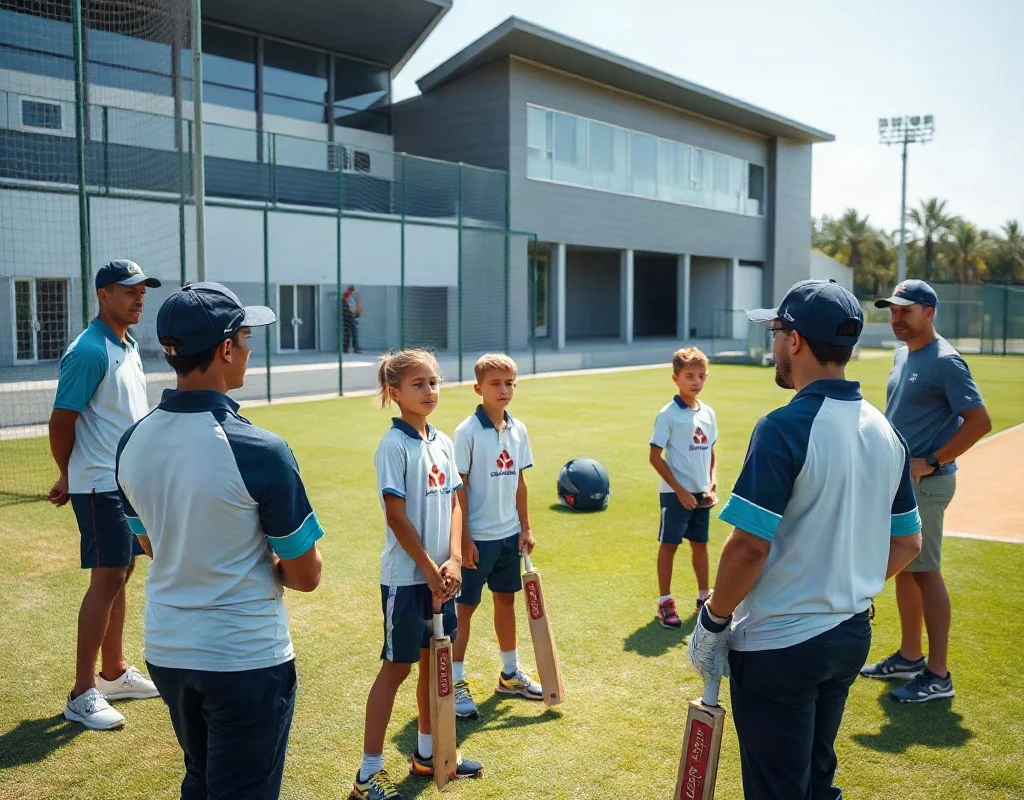
PCB invests in grassroots development programs.
Expert Analysis: Beyond the Headlines of PCB Updates
Stepping away from the official press releases, let’s analyze what these PCB latest updates actually signal for the team’s health. From a security and clearance perspective, the situation is improving, with more international teams willing to tour Pakistan, which boosts the confidence of young players who previously had to constantly play at neutral venues. This home advantage is a tactical asset that cannot be understated.
Financially, the board is diversifying its revenue streams. They have stopped relying solely on ICC (International Cricket Council) distributions and are aggressively monetizing broadcasting rights for the domestic leagues. The investment in the technology infrastructure (like the scouting app) is a long-term play that we rarely see in South Asian cricket boards, which often prioritize immediate wins over strategic growth.
However, there is a concern regarding the “burnout” factor. With the intense focus on T20 cricket and the value of the Pakistani players in various global leagues, there is a risk of their skills being exploited without adequate rest. The PCB needs to enforce a workload management policy strictly, especially for fast bowlers. The central contracts now include a clause limiting participation in foreign leagues without board permission—a controversial point but one aimed at preserving the players’ fitness for the national duty.
One more outlier to consider is the on-field behavior of the team. The PCB has implemented a strict code of conduct after a few on-field altercations. The board understands that discipline issues often overshadow good cricket performances. The new policy includes fines and potential bans for public dissent, which is a bold step to clean up the image of the squad. This is a double-edged sword—it maintains discipline but could potentially suppress the natural aggressive instincts of the players on the field.
This holistic approach—focused not just on the 22 yards but also on the administrative ecosystem—is what will define the success of Pakistan cricket in the upcoming year. The PCB is operating with a clear roadmap this time, and it is refreshing to see the management resist the urge to make panic changes after a single loss.
The Bottom Line and Responsible Gaming Note
To summarize the PCB latest updates, the board is placing its bets on aggressive cricket, data-driven selection, and a robust domestic pipeline. The road to the T20 World Cup is fraught with challenges, but the centralized planning indicates a higher level of professionalism than in previous eras. The immediate future will hinge on the team’s ability to adapt to the aggressive brand of cricket, regardless of the pitch conditions.
Before wrapping up, it is vital to address the platform from which you might be reading this. The world of sports now heavily intersects with online gaming and fantasy sports. While we discuss cricket performance here, if you choose to engage in cricket-related betting or prediction games, please do so responsibly. Cricket can be unpredictable—never wager money you cannot afford to lose, always check the legitimacy of your chosen platform, and treat any such activity strictly as entertainment, not as a guaranteed source of income. Be aware of the risks involved and seek help if you feel it is becoming a burden.
Final Verdict: Are you a fan looking to test your predictive skills based on these insights? If you are into fantasy leagues, keep an eye on the final squad announcements for the T20 World Cup, as the playing XI might differ slightly from the expected 15. The power-hitting depth in the middle order makes them an interesting pick for fantasy multipliers. As you follow the PCB latest updates, always compare the team news with the data we discussed above to make informed decisions. Take care of your bankroll, enjoy the game for what it is, and remember that a bad streak is part of the game, so never chase your losses. Focus on long-term enjoyment and responsible engagement.
